
Why Mandi Rice Is Popular for Family and Group Dining

Planning a meal for a family table or a larger group sounds simple until everyone actually sits down. Some people want something hearty, some want a dish that is not overly spicy, children need familiar flavors, older diners prefer food that feels comforting, and the person paying wants an order that is easy to manage. Mandi rice has become a standout answer to that problem because it is not just a rice dish. It is a shared dining format built around generous portions, fragrant rice, and slow-cooked meat, which is exactly why it translates so well from its Yemeni roots to modern family and group dining in Singapore. At Tarboush, that logic is built right into the menu, with Mix Mandi options for two, three, four, and five people, plus dedicated platters for five and ten guests.
Why group meals often feel harder than they should
One reason group dining can fall apart is that individual ordering creates friction. Different mains arrive at different times, portion sizes vary, and the table starts to feel fragmented instead of shared. Mandi solves that by putting one satisfying centerpiece in the middle of the table, so the meal feels coordinated from the start. Tarboush’s own group-dining menu structure reflects this idea clearly: instead of forcing hosts to stitch together many separate plates, it offers scalable Mandi formats that are already sized for groups.
That matters because family meals are rarely only about food. They are also about ease, pacing, and atmosphere. A dish that arrives as one generous platter instantly changes the mood of the table. People serve one another, compare favorite bites, and stay engaged with the meal together instead of disappearing into separate orders. That is a big part of why Mandi continues to stand out in gatherings, celebrations, and casual group dinners alike.
Mandi was made for shared tables
Its roots are communal, not individual
Mandi comes from Hadramaut in Yemen and is traditionally made with rice and meat or chicken cooked with aromatic seasonings, historically using special mud ovens or slow-heat methods that give the dish its distinctive character. Just as important as the cooking method is the way the food is served: Mandi has long been associated with large dishes meant to be shared, a style that brings people together rather than separating them into individual plates.
That shared-table tradition fits naturally with the broader culture of Middle Eastern hospitality, where generosity, warmth, and the act of feeding guests carry real social meaning. In other words, Mandi feels right in family and group settings because it was shaped by a hospitality culture that treats food as a connector, not just a product.
The flavor profile works for mixed-age groups
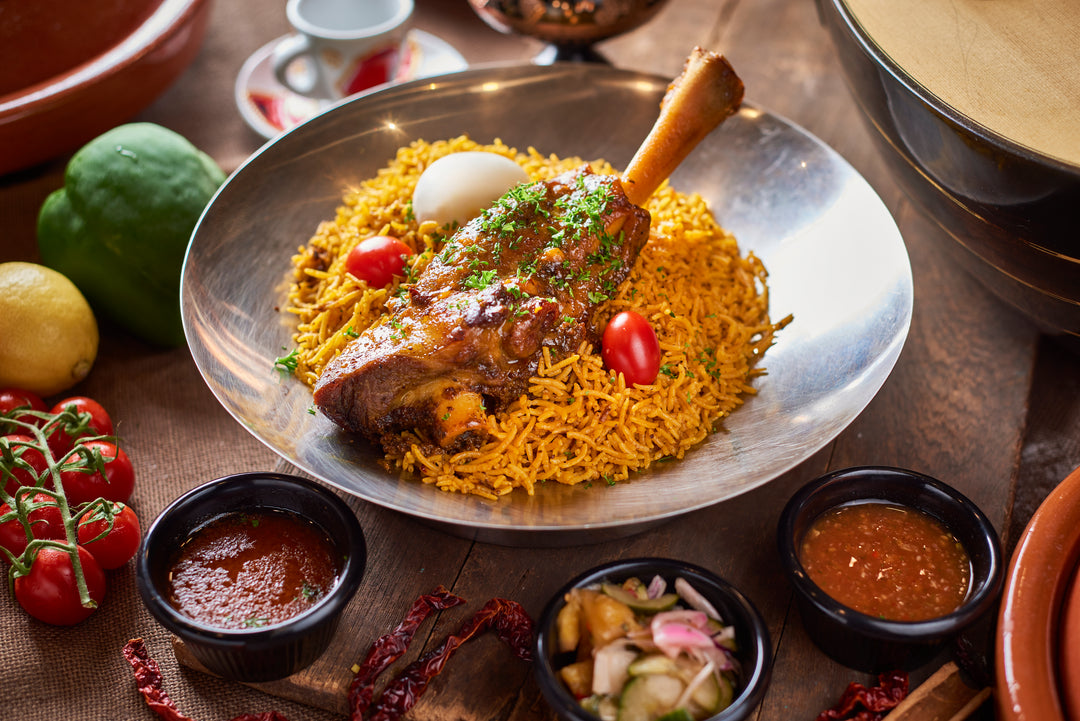
Another reason Mandi performs so well at one table is that its flavor profile is broad in appeal. Tarboush describes its Mandi as built on premium long-grain basmati rice, a balanced spice blend that includes cardamom, cinnamon, cloves, black pepper, bay leaves, and cumin, and a slow-cooking process that keeps the meat tender while letting the rice absorb savory flavor without becoming too heavy. That balance matters in family dining because the dish feels aromatic and comforting rather than aggressively hot or one-note.
This makes Mandi especially useful when a single table includes children, older relatives, and adults with different spice tolerances. It still feels special, but it rarely feels divisive. In practical terms, that is a major advantage over dishes that are either too fiery, too rich, or too individualized to satisfy a mixed crowd.
Why it fits Singapore family and halal dining
Singapore is already a strong environment for a dish like Mandi. The Singapore Tourism Board notes that the country offers a wide variety of halal cuisines, including Middle Eastern food, while MUIS states that it regulates Singapore’s halal industry and provides a searchable list of halal-certified eating establishments for consumers. That wider halal dining ecosystem helps explain why shared Arabic rice dishes can gain traction so easily in the local market.
For families and groups, Mandi also lines up with what many Singapore diners look for in real life:
-
Confidence around halal dining matters. MUIS regulates halal certification in Singapore, and Tarboush states on its site that its food is “100% Halal & Muslim Owned,” which lowers uncertainty for groups that need the meal to work for everyone at the table.
-
It suits both dine-in and at-home occasions. Tarboush offers dine-in options, two Singapore outlets in Bugis and Orchard, and islandwide delivery, which makes the dish practical for birthdays at home, weekend family meals, and office lunches.
-
It feels celebratory without becoming complicated. Tarboush’s own group-dining and platter guides repeatedly frame rice-based Arabic dishes as especially suitable for family gatherings, celebrations, and social meals because they are easy to share and simple to serve.
In short, Mandi fits Singapore not only because it tastes good, but because it matches the way many people here actually gather: multi-generational, halal-conscious, social, and often looking for a dish that can move smoothly between restaurant dining and home delivery.

Why Tarboush's menu makes group ordering easier
Tarboush’s Mandi range is a good example of why the dish is so popular for shared dining. On the main rice menu, the restaurant offers Mix Mandi for two, three, four, and five people, along with individual Mandi roasted chicken and Mandi lamb shank, plus extra Mandi rice when the table needs more. That kind of structure is useful because it lets hosts order by table size instead of guessing how many separate mains to combine.
Here is what makes that especially practical for gatherings:
-
Small groups can order with confidence. Tarboush lists Mix Mandi for two at SGD 57.90, for three at SGD 87.90, and for four at SGD 129.90, which gives smaller family groups a straightforward starting point.
-
Larger family tables have clear upgrade paths. The same menu includes Mix Mandi for five at SGD 167.90, while the dedicated Mandi Platter is available in five-pax and ten-pax formats.
-
The platters are built like real group meals. Tarboush’s five-pax platter includes two lamb shanks, two half roasted chickens, 1.5kg of Mandi rice, boiled eggs, sauce, curry, achar, and kunafa. The ten-pax platter scales up to four lamb shanks, four half roasted chickens, 3kg of rice, ten eggs, accompaniments, and three kunafa.
-
The value is easier to understand when divided across the table. Based on the listed platter prices, the five-pax platter works out to about SGD 31.80 per person and the ten-pax platter to SGD 30 per person before extra add-ons, which is exactly the kind of math hosts care about when feeding a group without overspending.
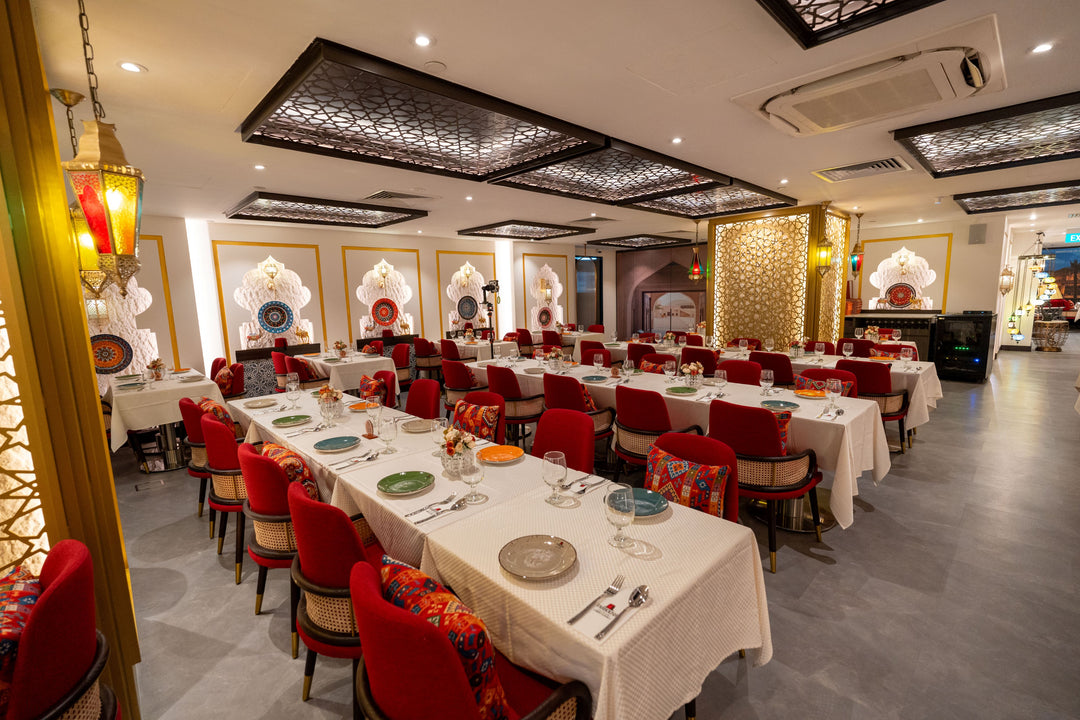
Tarboush also supports the bigger-event side of group dining. Its private dining rooms are available for groups from ten up to sixty guests per room, and the venue says those rooms include service support and AV facilities. That makes Mandi even more relevant for birthdays, reunions, corporate dinners, and special occasions where the host wants a meal that feels generous without becoming logistically messy.
Conclusion
Mandi rice is popular for family and group dining because it solves several problems at once. It is rooted in a tradition of communal eating, it offers a flavor profile that appeals to a wide mix of diners, and it gives hosts a more efficient way to feed a table than managing a long list of separate mains. In Singapore, where halal-friendly dining, family meals, celebrations, and food delivery all matter, those strengths become even more relevant.
Looking ahead, it is reasonable to expect Mandi to keep growing in popularity in Singapore because the dish sits at the intersection of what modern diners increasingly want: authentic flavor, shareable portions, halal accessibility, and formats that work equally well for restaurant gatherings and home celebrations. Tarboush’s menu design, platter options, delivery coverage, and private dining setup all point in that direction.
FAQs
What is Mandi rice?
Mandi is a Yemeni dish from Hadramaut made with fragrant rice, meat or chicken, and aromatic seasonings, traditionally cooked with slow heat for a distinct savory, lightly smoky character.
Why is Mandi good for family dining?
Because it is naturally served as a shared platter, it makes the meal feel communal, easier to portion, and more satisfying for mixed-age groups.
Is Mandi very spicy?
Usually no. Tarboush describes Mandi as relying on balanced spices such as cardamom, cinnamon, cloves, cumin, and black pepper, which create warmth and aroma rather than heavy heat.
How many people can a Tarboush Mandi platter serve?
Tarboush offers a five-pax Mandi Platter and a ten-pax Mandi Platter, and its broader Mix Mandi menu also includes options for two, three, four, and five diners.
Can Mandi work for gatherings at home in Singapore?
Yes. Tarboush offers islandwide delivery and positions its platter-style meals as practical for family celebrations, casual get-togethers, and larger group orders.