
What Makes Lamb Shank a Distinctive Cut for a Mandi Plate

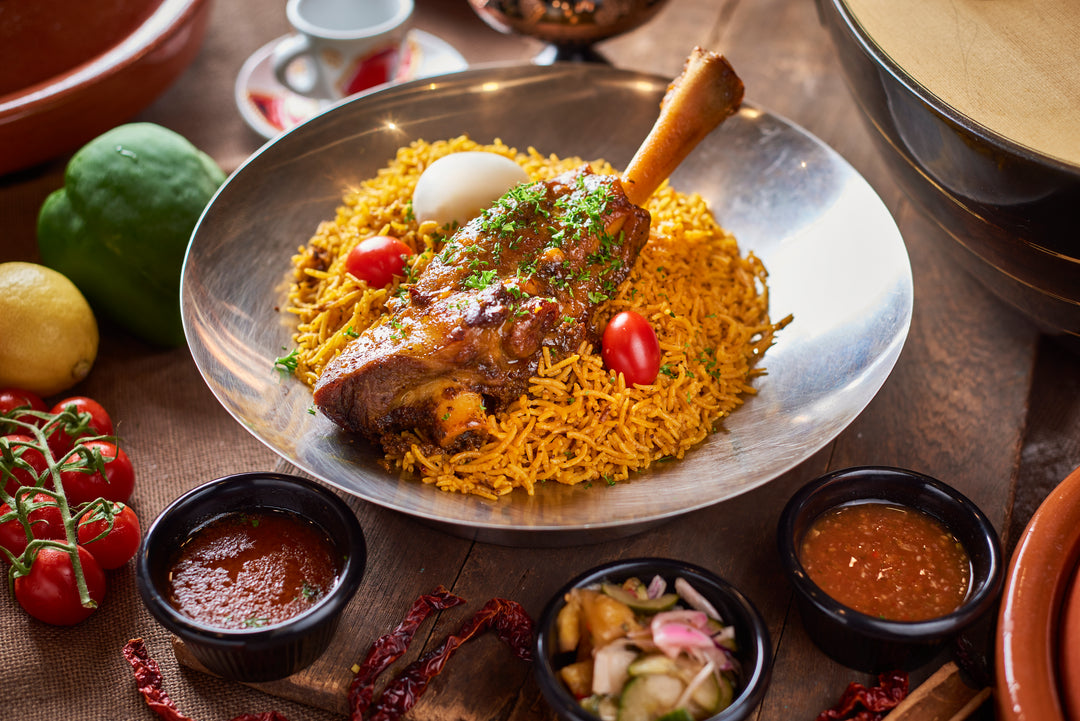
Lamb shank brings three qualities to a mandi plate: meat that separates into substantial strands, a rich texture developed through slow cooking, and a whole cut that sits naturally at the centre of the rice. Its appeal comes from how these qualities work together. Each mouthful can combine tender lamb, seasoned grains and a little sharpness from the accompaniments.
For diners choosing from Tarboush’s mandi rice menu, understanding the cut helps explain what makes this particular plate different. The shank’s structure matters just as much as its seasoning, especially when you want lamb that pulls apart easily while retaining a satisfying bite.
The Cut Gives the Meat Its Character
Lamb shank comes from the lower part of the leg. These working muscles contain plenty of connective tissue, which makes the raw cut relatively firm. It needs a different cooking approach from a tender loin chop that can be cooked quickly.
That structure is also its strength. Given suitable cooking time, the meat develops the yielding texture associated with a well-prepared shank. The muscle fibres remain recognisable, so a piece can separate into long strands rather than the neat slices you might expect from a roast.
On a mandi plate, those strands are useful. You can pull away a small piece and combine it with rice, controlling the balance of meat and grains in each spoonful. The shank offers a distinct eating experience before any sauce or garnish is added.
Braising Develops Tenderness and a Silky Texture
The important change during braising happens in the connective tissue. With sustained heat and moisture, collagen breaks down into gelatin, allowing the muscle fibres to separate more easily. This gives a properly cooked shank its soft, slightly silky mouthfeel.
Tarboush describes its Mandi Lamb Shank as braised lamb prepared with a blend of spices. The listed accompaniments are mandi rice, saffron egg, Arabic salsa and Penang achar salad. That confirmed preparation method explains why tenderness is central to this dish.
Good tenderness still needs some structure. The meat should release with gentle pressure and remain pleasant to chew. Falling apart alone is not enough: prolonged cooking can leave muscle fibres dry even when the connective tissue has softened. A good shank combines easy separation with a succulent mouthful.
Its Richness Works Best Across Several Bites of Rice
Lamb shank has a substantial presence on the plate. Its savoury flavour and soft texture make a small piece noticeable among the rice, so there is no need to include a large chunk in every bite.
The rice creates contrast. Separate grains provide a lighter texture alongside the yielding meat, while their seasoning helps connect the two parts of the dish. Where a little meat juice coats the grains, it creates a particularly satisfying mouthful.
A useful way to begin is to taste the rice and lamb separately, then together. This lets you appreciate the rice’s seasoning before adding the stronger flavour of the meat.
Keep some rice free of salsa at first, too. Mixing everything immediately can make every spoonful taste similar and hide the differences that make the plate interesting.

The Bone Changes Presentation and Portion Expectations
A whole shank gives the plate a clear centrepiece. Its tapered shape and exposed bone make the cut recognisable, while the meat remains gathered around a single substantial piece rather than scattered through the rice.
That presentation also affects how you judge the portion. The size of a bone-in shank is not the same as its edible meat yield. Two pieces that look similar can provide different amounts of meat, depending on their size and trimming.
When eating, loosen a few pieces from the thicker part first and place them beside the rice. This makes it easier to distribute the lamb through the meal without breaking up the entire shank at once.
The practical advantage is control: you can alternate between meat-rich bites and smaller portions paired with the accompaniments.
The Accompaniments Give the Rich Meat Contrast
A rich cut benefits from changes in flavour and texture throughout the meal. The accompaniments on Tarboush’s plate offer several ways to build that contrast.
Try a small amount of Arabic salsa with the lamb and rice, then adjust to your taste. Adding it gradually helps you find a balance without covering the meat’s seasoning.
The Penang achar salad provides a contrasting pickled element. A little between mouthfuls can break up the impression of richness and give the next bite a different emphasis. The saffron egg adds another texture, allowing you to vary the meal without adding more lamb.
You do not need every component on every spoonful. Moving between combinations makes better use of the plate: lamb with rice, rice with salsa, then a little achar before returning to the meat.
How It Differs from Roasted Chicken Mandi
The choice between lamb shank and chicken is largely about the eating experience you prefer.
Tarboush’s Mandi Roasted Chicken features half a chicken marinated overnight with spices. It comes with mandi rice, saffron boiled egg, Arabic salsa and Penang achar salad. With similar accompaniments, the meat and preparation become the main points of difference.
Choose the lamb shank when you want the pull-apart texture of braised meat and a pronounced lamb flavour. Choose roasted chicken when you prefer poultry and the experience of eating different sections of a half chicken.
Neither choice needs extra sauces to make it interesting. Start with the meat’s own seasoning, then use the accompaniments to suit your preference.
Five Frequently Asked Questions
1. Is lamb shank the same as a whole leg of lamb?
No. The shank is the lower section of the leg. A whole leg is a much larger cut containing other muscles, so the two should not be treated as interchangeable portions.
2. Should lamb shank fall off the bone?
It should come away easily with gentle pressure when properly braised. However, tenderness and moisture both matter; meat that falls apart can still feel dry.
3. Is lamb shank mandi necessarily hot and spicy?
No. A spice blend can provide aroma without intense chilli heat. Tarboush does not specify a heat level in the product description, so ask before ordering if you are sensitive to chilli.
4. Does lamb shank automatically give mandi a smoky flavour?
No. Smokiness depends on the cooking process, rather than the cut itself. Tarboush describes its shank as braised and does not specify a smoking method on the product page.