
Taking Children to a Middle Eastern Restaurant: Introducing New Flavours Without Pressure

Taking children to a Middle Eastern restaurant works best when the meal includes something familiar, a small opportunity to explore, and no expectation that every dish must be tasted. Bread, rice and chicken can provide a comfortable starting point while dips, seasonings and different preparations introduce something new.
For a family meal in Singapore, the aim is to enjoy eating together. A child who happily eats bread while watching everyone share hummus is still becoming familiar with the food. You do not need to turn dinner into a tasting challenge.
Start With Something Your Child Already Enjoys
Before choosing dishes, think about what your child likes about their usual meals. Is it soft bread, separate ingredients, melted cheese or rice without sauce? These details are more useful than simply looking for a dish labelled suitable for children.
Tarboush’s Ekmek Plain Bread is described as a classic Turkish flatbread. For a child who enjoys bread, it offers a recognisable starting point. Pide Cheese, made with a mozzarella topping, may appeal to someone who already likes bread and cheese together. These are possible starting choices, rather than guarantees that every child will enjoy them. Tarboush Singapore
Describe the food honestly. “This is bread with mozzarella” gives a useful expectation. Calling it exactly the same as a favourite food can disappoint a child when the texture or shape differs.
Choose One New Flavour to Explore
A table full of unfamiliar dishes can leave a hesitant eater unsure where to begin. Choose one possible introduction alongside foods they already accept.
For example, Tarboush’s Palestinian Hummus combines puréed chickpeas, tahini and lemon juice, and comes with freshly made Palestinian bread. If those ingredients are suitable for your child, you could offer a little hummus beside a piece of bread. They can decide whether to dip it.
Keep the serving small and separate if that feels more comfortable. Do not spread the dip across all their bread before asking. Offering an unfamiliar food alongside accepted foods, sometimes on a separate plate, gives children a more manageable introduction.
Adults can still enjoy several dishes. The child does not need a sample of everything ordered.
Ask About Seasoning Before the Food Arrives
A familiar ingredient can taste very different after marinating, roasting or grilling. Ask specific questions about the dish instead of assuming that chicken or rice will taste plain.
Useful questions include:
- Does the marinade contain chilli?
- Is the rice seasoned?
- Can sauces and pickles be served separately?
- Which parts of the dish have the strongest flavours?
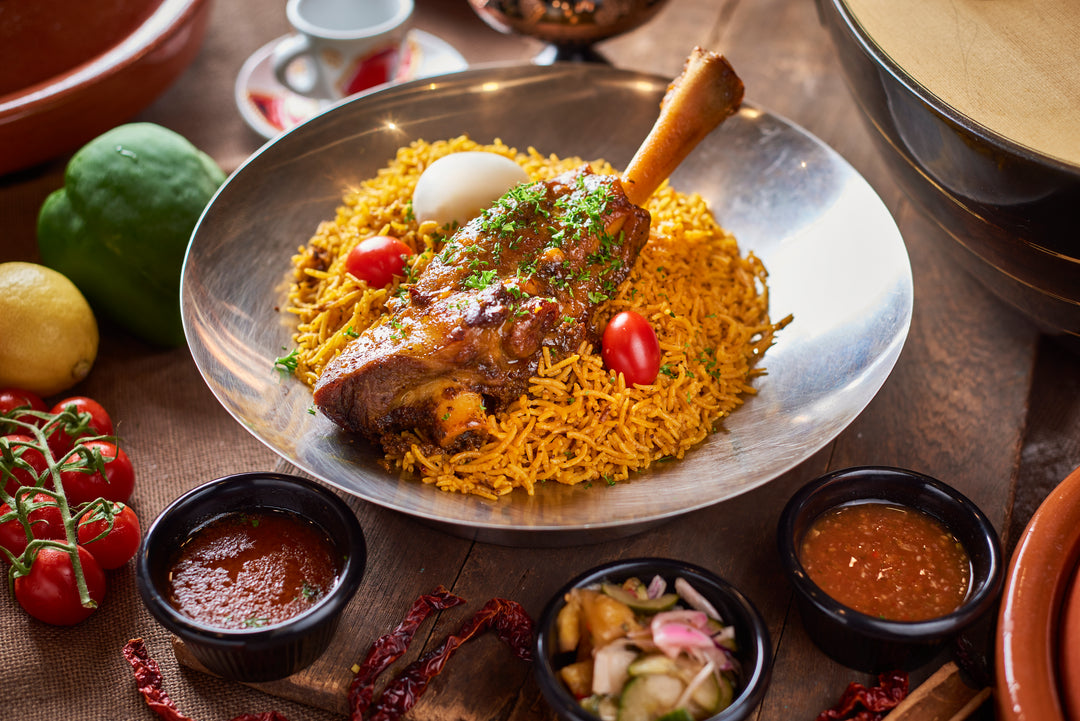
Tarboush’s Mandi Roasted Chicken includes half a chicken marinated overnight with spices, mandi rice, a saffron boiled egg, Arabic salsa and Penang achar salad. It offers several components to discuss with staff, but should not be presented to a child as plain chicken and rice.
The menu also lists steamed white rice, which may suit a child who prefers a familiar rice option. Confirm any requested changes before ordering; marinades and prepared dishes may not be adjustable.
Give Children Control Over Their Own Plate
Sharing dishes can work well when each child also has a small plate of their own. Ask before adding food, and leave room between different components if they prefer them separate.
Offer simple choices: “Would you like your bread here or on the side plate?” is easier to answer than “What do you want from this whole menu?”
Keep familiar food available without making it conditional on tasting something else. Looking at an unfamiliar dip or allowing it nearby can be an early step towards feeling comfortable with it. Tasting may come later.
Avoid secretly mixing new ingredients into an accepted dish. Explain what you are serving so the child knows what to expect.

Use Descriptions Instead of Persuasion
Useful food descriptions tell children what they might notice: smooth, chewy, warm, crisp, lemony or smoky. They provide information without demanding a particular reaction.
Try phrases such as:
- “You can leave the dip beside your bread.”
- “Would you like to know what is in this?”
- “That tasted different from what you expected.”
If your child says no, acknowledge it and continue the meal. Repeated requests for “just one bite” can turn an invitation into pressure.
Eat the dishes you enjoy without watching for your child’s response. Children can learn from seeing family members eat, while ordinary conversation keeps dinner from becoming an assessment of their plate.
Avoid comparing siblings or announcing that another child is more adventurous. Each person at the table can have different preferences.
Plan Around Comfort, Timing and Safety
Choose a meal time that fits your child’s usual routine. Arriving exhausted after a long outing, or much later than their normal dinner, makes an unfamiliar meal harder to manage. Avoid deliberately keeping them hungry to encourage tasting.
When booking, ask about practical needs such as a highchair, space for a stroller or a quieter table. Checking beforehand is more useful than assuming these arrangements will be available.
Explain any food allergies before ordering and ask staff to confirm ingredients and preparation. A short menu description is not a complete allergen guide.
Once food arrives, check its temperature, remove bones carefully and prepare portions appropriate to your child’s eating abilities. Let them eat seated and supervised, with enough time to manage each mouthful.
Keep Dessert Out of the Negotiation
If dessert is part of your family’s plan, avoid making it a reward for eating hummus, chicken or vegetables. “Three more bites and you can have something sweet” changes the meal into a bargain. Food rewards can also make the rewarded food seem more desirable than the food children are being persuaded to eat.
Likewise, avoid extending dinner until a plate is empty. A relaxed ending leaves room for another visit without unfinished negotiations.
Frequently Asked Questions
1. What should I order for a child’s first Middle Eastern restaurant visit?
Start with a food they already enjoy. Depending on their preferences, Tarboush’s plain bread, mozzarella-topped pide or steamed white rice could provide a familiar element.
2. Should I order a separate main course for my child?
Consider their appetite and the dishes your family is ordering. Sharing suitable components may work, but check portion sizes and make sure there is enough food they can comfortably eat.
3. What if my child dislikes foods touching?
Request a spare plate and serve components separately. Let your child decide whether to combine bread, dip, rice or meat.
4. Should I order a dish again after my child rejects it?
You can offer it on another occasion without expecting a different answer. Preferences can change, and acceptance may take repeated opportunities.
5. How can I involve an older child before visiting?
Browse the menu together and shortlist two suitable options. Let them ask a question about ingredients or choose a dish the family can share.
Make the Next Visit Feel Easier
A successful family meal does not require a clean plate or a newly discovered favourite. Familiar food, clear descriptions and control over small choices give children space to explore without becoming the centre of attention.
Before visiting Tarboush, choose a comfortable starting dish and one optional new flavour. On future visits, build on what your child enjoyed or showed interest in. A pleasant first experience gives the next meal somewhere to begin.