
The Role of Spices in Middle Eastern Cuisine

Middle Eastern cuisine is known for its rich aromas, bold flavors, and deep cultural roots - and at the heart of it all are spices. From earthy cumin to tangy sumac, these ingredients transform simple dishes into unforgettable experiences.
If you’ve ever dined at a halal Middle Eastern restaurant, you’ve already experienced how spices bring warmth, depth, and character to every bite.
Why spices matter in Middle Eastern cooking
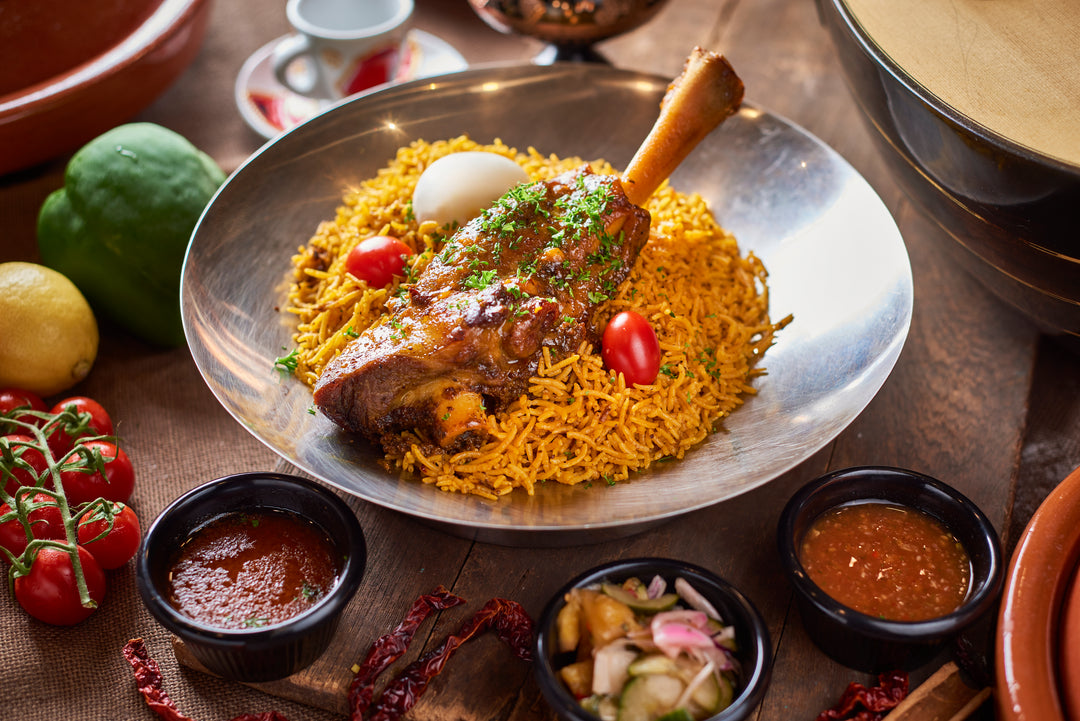
Spices play an important role in Middle Eastern cuisine — making every dish full of flavor and aroma. Middle Eastern cuisine is not only about spices; it’s about balance and harmony.
Key roles of spices:
-
Add depth and complexity
-
Enhance natural flavors of ingredients
-
Create signature aromas
-
Reflect cultural tradition and regional identity
Pro tip: Middle Eastern cooking is all about layering spices gradually rather than adding everything at once.
Essential spices that define the cuisine
-
Sumac - the tangy game-changer
Sumac is a deep red spice with a lemony, slightly sour flavor. It’s often sprinkled over salads, grilled meats, and rice dishes.
Common uses:
-
Garnishing hummus
-
Adding zest to fattoush salad
-
Enhancing grilled kebabs
Did you know? Sumac is often used as a natural alternative to lemon in many dishes.
-
Za’atar
Za’atar is a beloved spice mix made with thyme, sesame seeds, sumac, and herbs. It’s both earthy and nutty, making it incredibly versatile.
Popular ways to enjoy Za’atar:
-
Sprinkled over flatbread with olive oil
-
Used as a seasoning for chicken and vegetables
-
Mixed into dips for extra flavor
Suggestion: Try Za’atar with warm bread and olive oil - it’s simple yet incredibly satisfying.
-
Cumin
Cumin is one of the most widely used spices in Middle Eastern cuisine. Its warm, slightly smoky flavor forms the base of many dishes.
Where you’ll taste it:
-
Falafel
-
Shawarma marinades
-
Lentil soups
-
Other must-try spices
Middle Eastern cuisine goes far beyond just a few staples. Here are a few more worth exploring:
-
Coriander - light and citrusy
-
Paprika - mild sweetness and color
-
Cardamom - aromatic and slightly sweet
-
Cinnamon - used in both savory and sweet
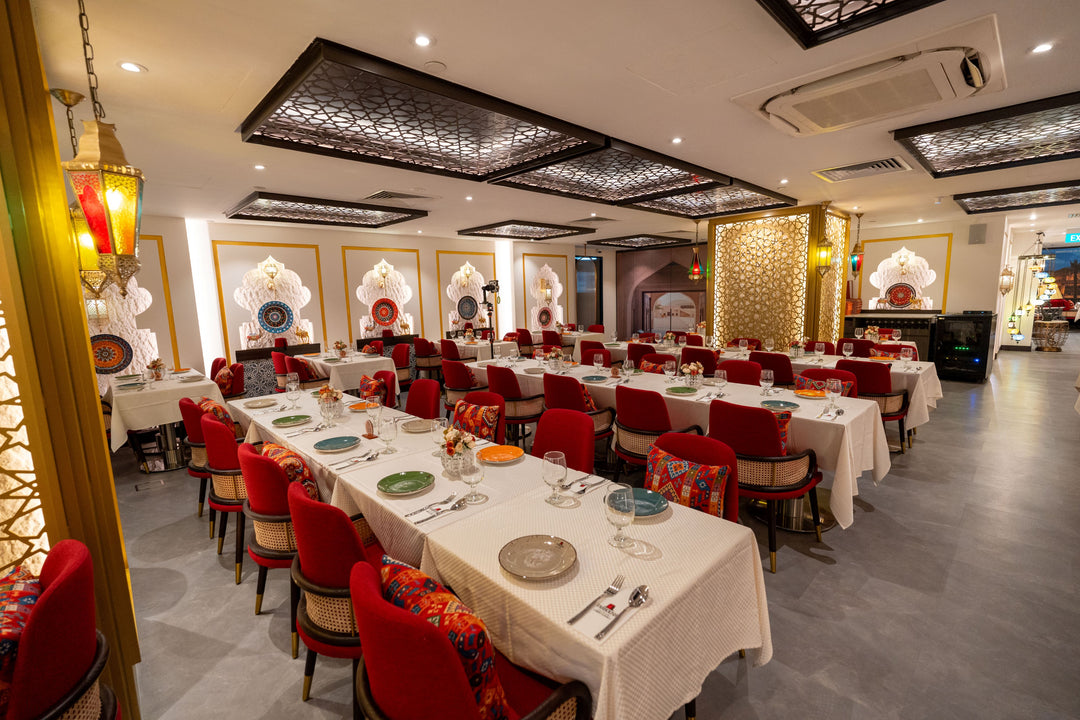
Experience authentic flavors at Tarboush
If you want to truly understand the role of spices, there’s no better way than experiencing them firsthand.
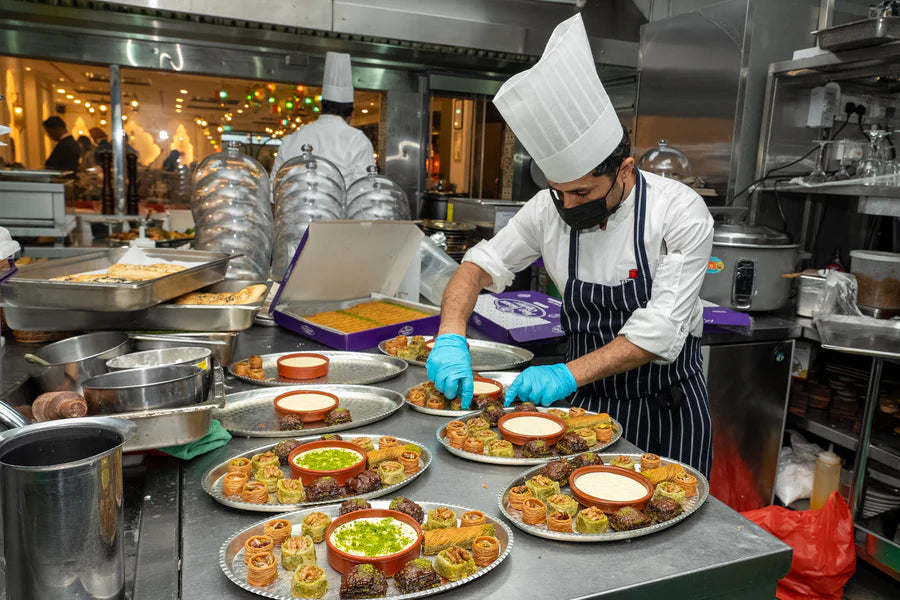
At Tarboush, every dish is crafted using authentic spice blends that bring out the true essence of Middle Eastern cuisine. From tangy sumac toppings to perfectly seasoned shawarma, each bite reflects tradition and quality.
What makes Tarboush special:
-
Authentic halal Middle Eastern flavors
-
Carefully curated spice blends
-
A balance of tradition and modern presentation
Final Thoughts
Spices are the soul of Middle Eastern cuisine. They tell stories, preserve traditions, and elevate every dish from simple to extraordinary.
Whether it’s the tang of sumac, the richness of cumin, or the signature taste of Za’atar, these flavors define what makes dining at a halal Middle Eastern restaurant such a memorable experience.
Visit Tarboush and discover how spices bring every dish to life.