
How to Build a Lebanese Food Spread for a Shared Meal

Build a Lebanese food spread around two contrasting dips, a fresh salad, warm bread and a satisfying centrepiece. Add a crisp appetiser and a small dessert if you are serving a full dinner. That gives guests enough variety to assemble different bites while keeping the meal manageable.
For a gathering in Singapore, decide what you will order and what you can prepare at home. Let the menu guide your shopping: bread, rice and sauces may already come with individual dishes.
Plan the Meal Around Your Guests
Start with the number of diners, their appetites and whether you are hosting lunch, dinner or a light gathering. A table of people arriving hungry needs more substantial food than guests dropping in for afternoon mezze.
For four adults having dinner, use this starting framework:
|
Part of the meal |
Suggested starting point |
|
Dips |
Two different varieties |
|
Salad |
One generous sharing bowl |
|
Warm appetiser |
One variety, with a piece or two per person |
|
Main course |
Enough meat or substantial vegetarian food for four |
|
Bread |
Enough for everyone to dip and make small bites |
|
Dessert |
One small serving per person |
These are planning suggestions, not Tarboush’s stated portion sizes. Confirm order quantities with the restaurant, especially the number of pieces in appetisers. For larger groups, increase quantities of the dishes you have chosen before adding more varieties.
Choose Dips With Different Flavours
Give each dip a distinct role. Start with something creamy, then add an aubergine dish with a smoky character.
Tarboush’s Hummus Beiruti is Lebanese hummus finished with chopped parsley and Palestinian extra virgin olive oil, served with freshly baked Palestinian bread. It makes a useful starting point because the bread accompaniment is already included.
Pair it with Babaganoush, which combines charcoal-grilled aubergine with lemon juice, tri-colour capsicum and olive oil. I would choose this pairing for the contrast between creamy hummus and smoky vegetables.
For simpler ordering, the Mezzeh Appetiser Platter lists baba ghanoush, moutabal, fattoush and mast dips with Arabic bread. Treat it as an alternative starter arrangement. Check its contents against your order before adding separate aubergine dishes or another fattoush.
Add a Salad That Balances the Richer Dishes
Choose your salad according to the rest of the table. With several creamy dips, a bowl of crisp vegetables brings a welcome change of texture.
The Fattoush Salad combines tomatoes, Lebanese cucumber, lettuce and tri-colour capsicum with lemon juice and olive oil. It is a practical match for a spread built around hummus and grilled meat.
For a stronger herb presence, choose Tabbouleh Salad. Tarboush makes it mainly with finely chopped parsley, alongside tomatoes, mint, fine wheat and olive oil. Choose this when you want herbs to be a substantial part of each plate. One thoughtfully chosen salad is usually enough for a small group.
Give the Hot Food a Clear Role
A warm appetiser should offer a different bite from the dips. Tarboush’s Falafel consists of fried chickpea patties with parsley, coriander, spring onion and spices, accompanied by tahini sauce. Serve the sauce alongside so guests can add it themselves and the patties retain their crisp surface.
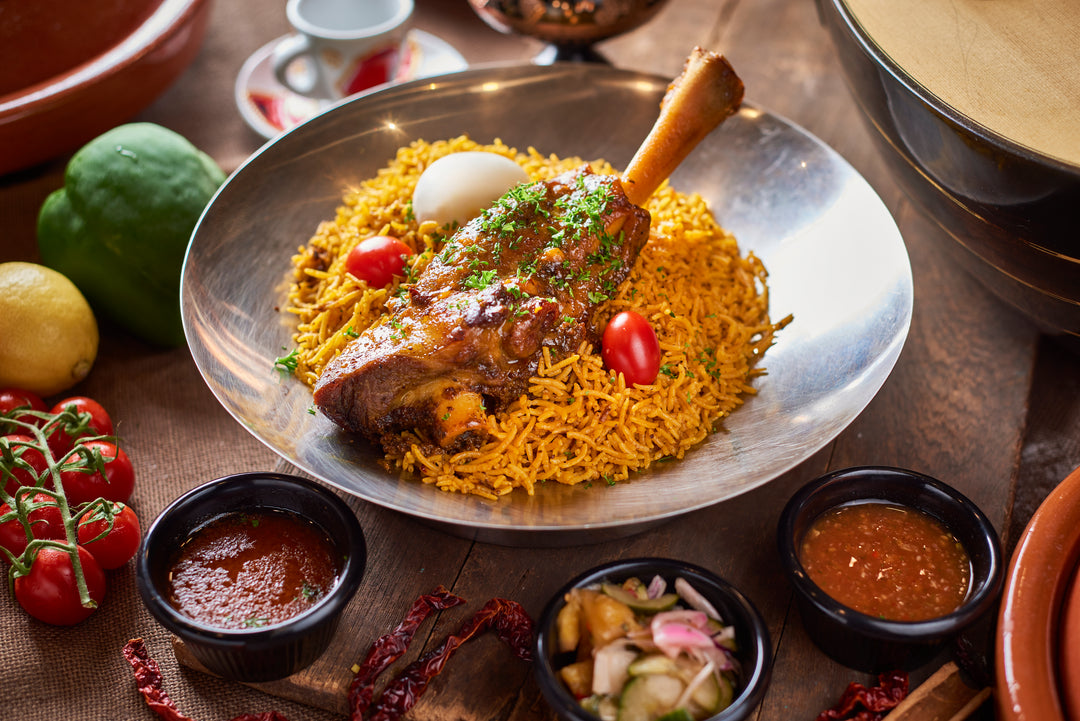
Then choose the main course. The Lamb Kofta Kebab features minced lamb seasoned with onion, garlic, parsley and warm spices. It comes with butter rice and ezme sauce, so include those accompaniments when judging how much additional food you need.
If your group prefers a wider grill selection, consider the Mixed Charcoal Grilled Platter for 4 PAX. Its assortment includes lamb, chicken and beef kebabs, shahi saffron chicken, prawn kebab and baby lamb rack. This adds a broader regional selection to the Lebanese mezze base. Use the stated four-person size as your starting point and account for your guests’ appetites.

Arrange Bread and Serving Dishes Within Reach
Warm the bread shortly before serving and bring it out in a basket lined with a clean cloth. Tear or cut larger pieces into manageable portions. Guests should be able to take some bread without lifting an entire flatbread over the other dishes.
Place dips beside the bread, with salad and hot food close enough for everyone to reach. On a long table, divide a dip between two small bowls. Give every shared dish its own serving utensil and leave space for guests’ plates and drinks.
Keep wet salads and sauces in separate dishes so their juices do not soak the bread or falafel.
Time the Food Around When People Will Eat
Prepare the table and serving utensils before the food arrives. If ordering delivery, check the available timing for your Singapore address and work backwards from when guests will sit down.
Keep chilled dishes refrigerated until serving. Bring out the dips, salad and bread when people are ready, then serve the hot appetiser and main promptly. Avoid putting everything out early simply to finish setting the table.
If preparing salad yourself, wash and dry the vegetables ahead, keeping the dressing separate until needed. Reserve the final few minutes for warming bread and transferring hot food to serving dishes.
Finish With a Small Sweet Course
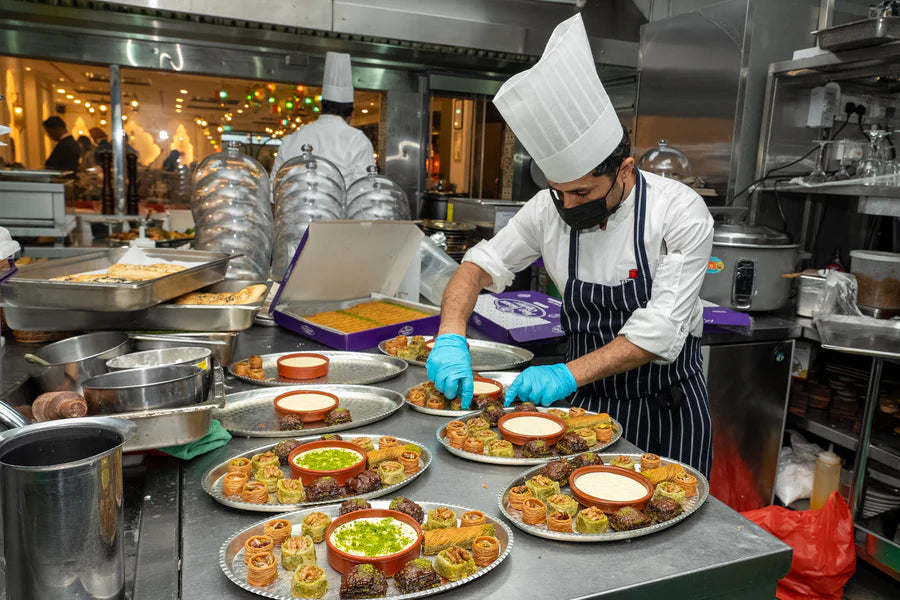
After a generous spread, a modest dessert gives the meal a clear finish. Tarboush’s Baklava contains chopped nuts and pistachios and is flavoured with honey. Plan a small serving for each guest and confirm how many pieces an order contains.
Clear the savoury dishes before bringing dessert to the table. Offer tea or coffee alongside, leaving guests time to finish their conversation without another large course.
Frequently Asked Questions
Can I build a vegetarian Lebanese spread?
Yes. Make falafel the substantial centrepiece and serve it with dips, salad and bread. Confirm ingredients, sauces and preparation with the restaurant for vegetarian or vegan requirements.
Does every shared meal need rice?
No. Bread can provide the main starch when guests are eating dips and mezze. Include rice when it suits the main course or your group’s preferences.
What should I check for guests with food allergies?
Discuss specific allergies directly with the restaurant. Tabbouleh lists wheat, baklava lists nuts, and falafel comes with tahini sauce. Product descriptions are not complete allergen or cross-contact statements.
How can I keep the order within budget?
Choose individual dishes your group will enjoy, check included accompaniments and calculate the complete order before checkout. If the total is high, reduce optional varieties while retaining adequate main-course portions.
Can I make the spread easier for children?
Serve small portions, keep sauces separate where possible and include familiar accompaniments such as bread or rice. Ask about seasoning before ordering; dish names alone do not establish how mild they are.